Welcome to the Awesome Blog Creator

This tool allows you to add a variety of blocks including text, images, opt-in forms, videos, tables, and all the features you might have missed in the original Kajabi blog. Once you've created your blog post, save the page and click the green button at the top. Then, follow the instructions to copy the blog post to your website.

This is a Text Wrap Block. You can edit or delete this block as needed.

example picture
example picture number 2

Table

This tables can contain up to 5 columns, a heading, and 5 rows. If you delete a title from the heading, the entire column will be removed. Similarly, deleting all content from a row will cause the entire row to disappear. The table automatically adjusts to fit the screen size.

Category Purpose Column 3 Column 4 Column 5
Row 1 Data 1 Row 1 Data 2 Row 1 Data 3 Row 1 Data 4 Row 1 Data 5
Row 2 Data 1 Row 2 Data 2 Row 2 Data 3 Row 2 Data 4 Row 2 Data 5
Row 3 Data 1 Row 3 Data 2 Row 3 Data 3 Row 3 Data 4 Row 3 Data 5
Row 4 Data 1 Row 4 Data 2 Row 4 Data 3 Row 4 Data 4 Row 4 Data 5
Row 5 Data 1 Row 5 Data 2 Row 5 Data 3 Row 5 Data 4 Row 5 Data 5

Ready to post?

Once you've added all your content and created your best Kajabi Awesome Blog, save the page and follow the steps outlined in the green button at the top of this Awesome Blog Creator page.

You can edit or delete this block as needed.

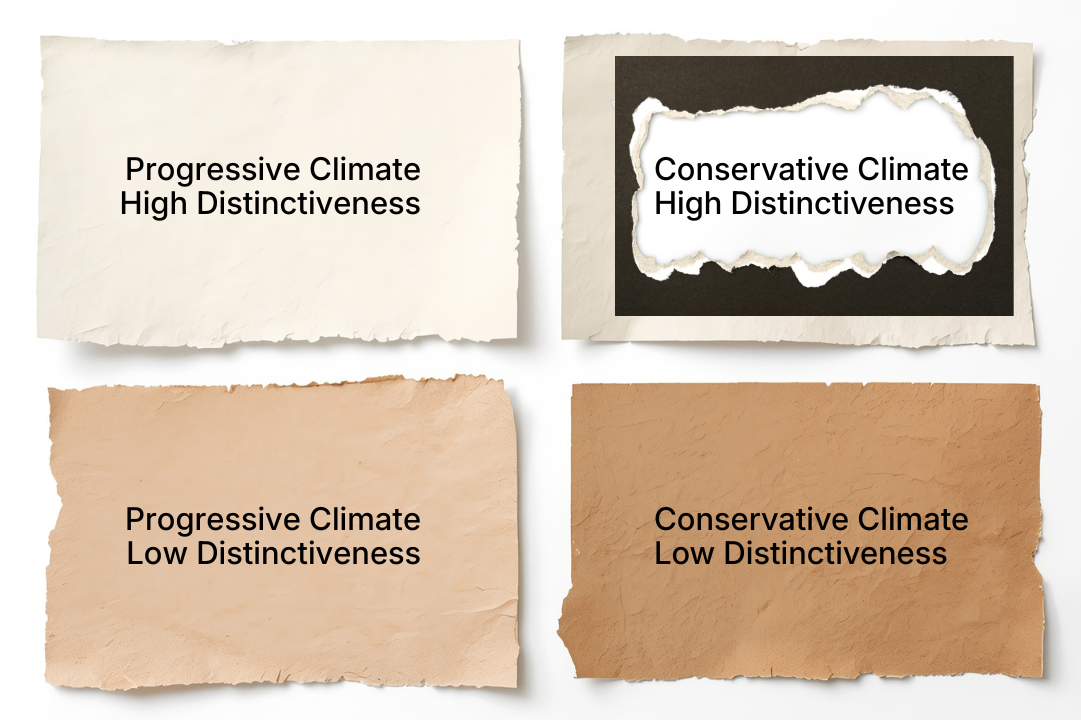
Path & Place — Christian Environment

Career Support Priority & Christian Distinctiveness

Result: High Career Support Priority & High Christian Distinctiveness

Result Summary

Your answers suggest that both career-connected support and a distinctively Christian college environment may be important considerations in your college search.

This result points toward a search where the college may need to do two things well: support one or more plausible academic or career directions, and provide a meaningfully Christian environment for learning, mentoring, community, and spiritual formation.

This does not necessarily mean the student has one fixed career plan. It may mean that you want the college to offer enough academic breadth, flexibility, career-connected experiences, and mentoring to support possible directions as they become clearer. At the same time, you may also value a college where Christian faith is not just available through optional activities, but is more visibly connected to the institution’s mission, faculty, student life, and expectations.

This Could Mean…

This result could mean that you are trying to avoid a false choice between career preparation and Christian formation. You may be looking for a college that can support the student’s future without treating faith as an afterthought.

It could also mean that the student has several possible academic or career interests, and you want a college with enough relevant programs, flexibility, internships, research, clinical opportunities, fieldwork, mentoring, or employer connections to support those possibilities.

On the Christian environment side, this result may mean that you value more than a campus ministry or a group of Christian friends. You may be looking for a college where committed Christian peers are visible, spiritual growth is intentionally supported, faculty mentoring is shaped by Christian faith, and the institution’s expectations are consistent with its stated mission.

For some families, this result may reflect a strong desire for integration: a college where academic preparation, personal development, and Christian discipleship are not treated as separate parts of life. For others, it may simply mean that both areas feel important enough to examine carefully before a college stays on the list.

Clarifying Questions

The central question this result raises is:

Which colleges can credibly support both the student’s plausible academic or career directions and the kind of Christian environment your family values?

As you reflect on this result, consider:

  • Are you looking for a Christian college only if it also has strong support in likely areas of academic or career interest?
  • Are there specific majors, programs, internships, clinicals, co-ops, research opportunities, fieldwork experiences, or mentoring structures that need to be present?
  • How much flexibility does the student need to explore or shift among related academic directions without major delays or credit loss?
  • What do you mean by a “distinctively Christian” environment: Christian peers, spiritual growth, lifestyle expectations, faculty faith commitments, classroom integration, institutional mission, or all of these?
  • Would you consider a larger, farther-away, less familiar, or secular college if it offered much stronger support for plausible career directions?
  • Would you consider a Christian college with a somewhat narrower program range if its environment seemed especially well aligned with your family’s values?
  • Are the student and parent answering these questions the same way, or might one person be emphasizing career support while another is emphasizing Christian environment?

What to Check

A result like this can be clarifying, but it can also narrow the search quickly. That makes it especially important to check assumptions on both sides.

First, check whether a college’s career support is strong enough for the student’s plausible directions. “Has the major” is not always the same as offering strong advising, flexibility, experiential learning, mentoring, or career-connected opportunity.

Second, check what the college actually means by Christian identity. Christian colleges can differ significantly in theology, campus culture, lifestyle expectations, faculty commitments, chapel or spiritual life requirements, classroom integration, and the level of institutional emphasis placed on Christian formation.

Third, check whether the combination is realistic within the family’s broader situation. A college may look excellent on both dimensions but still need to be evaluated for affordability, admissions likelihood, distance, student readiness, academic fit, and family alignment.

This result does not mean that only one type of college can work. It means that both path and place may deserve careful attention before the family decides which colleges belong on the list.

The Getting Your Bearings System

This result is one lens within the broader Getting Your Bearings system. On its own, it can help you think through the relationship between career-connected support and Christian college environment. But no single result is meant to explain the whole college decision.

Inside the Getting Your Bearings course, families can record their diagnostic results, compare perspectives, and generate a summary report to share with a counselor or advisor. The course also helps families overlay results from multiple CraftedPath diagnostics, so they can see how different priorities, constraints, and questions interact.

If this result feels only partly accurate, that may be useful information. You may want to review the full Path & Place — Christian Environment grid, compare neighboring results, or continue through other diagnostics to see whether another lens better explains the tension you are feeling.

High Career Priority, High Experience Priority

You value college features that support your goals for life both during and after college.

75%
Noteworthy Insight Direction and experience both matter
Search Implication Prioritize colleges that support 1-2 plausible pathways for you
What to Verify Accessibility of programs of interest
Potential Caution Admission ≠ Access to Preferred Major
Potential Opportunity Honors Colleges may help you shine
Call To Action

Join Our Free Trial

Get started today before this once in a lifetime opportunity expires.

Jane Doe

Jane Doe, an acclaimed underwater basket weaver, has traveled the seven seas to perfect her craft. Born in the Himalayas, she trained with Tibetan monks in the art of mindfulness. A two-time Olympic gold medalist in synchronized swimming, Jane now teaches aquatic arts in Fiji, inspiring many with her unique talents.